Engineering Guide 
Die Casting 101: Process, Speed, and When to Use It
September 22, 2024 · 5 min read
Die casting looks simple on paper but has more going on than most people realize. Here's what you actually need to understand.
The Process in Four Steps
- Melt: Heat the alloy (aluminum, zinc, magnesium, or copper) to molten or semi-molten state.
- Inject: Force the metal into a precision steel die at high speed and high pressure.
- Cool: The metal solidifies under maintained pressure — this is what gives die castings their dimensional accuracy.
- Eject: Open the die, remove the part. Repeat.
What Makes Die Casting Different
Two things: speed and automation. The entire cycle is mechanized, which means you get consistent parts at production rates that sand casting, investment casting, and machining simply can't match. You can also embed inserts during casting, which eliminates downstream assembly operations.
The process handles complex geometries and thin walls — features that would be expensive to machine and difficult to achieve with other casting methods.
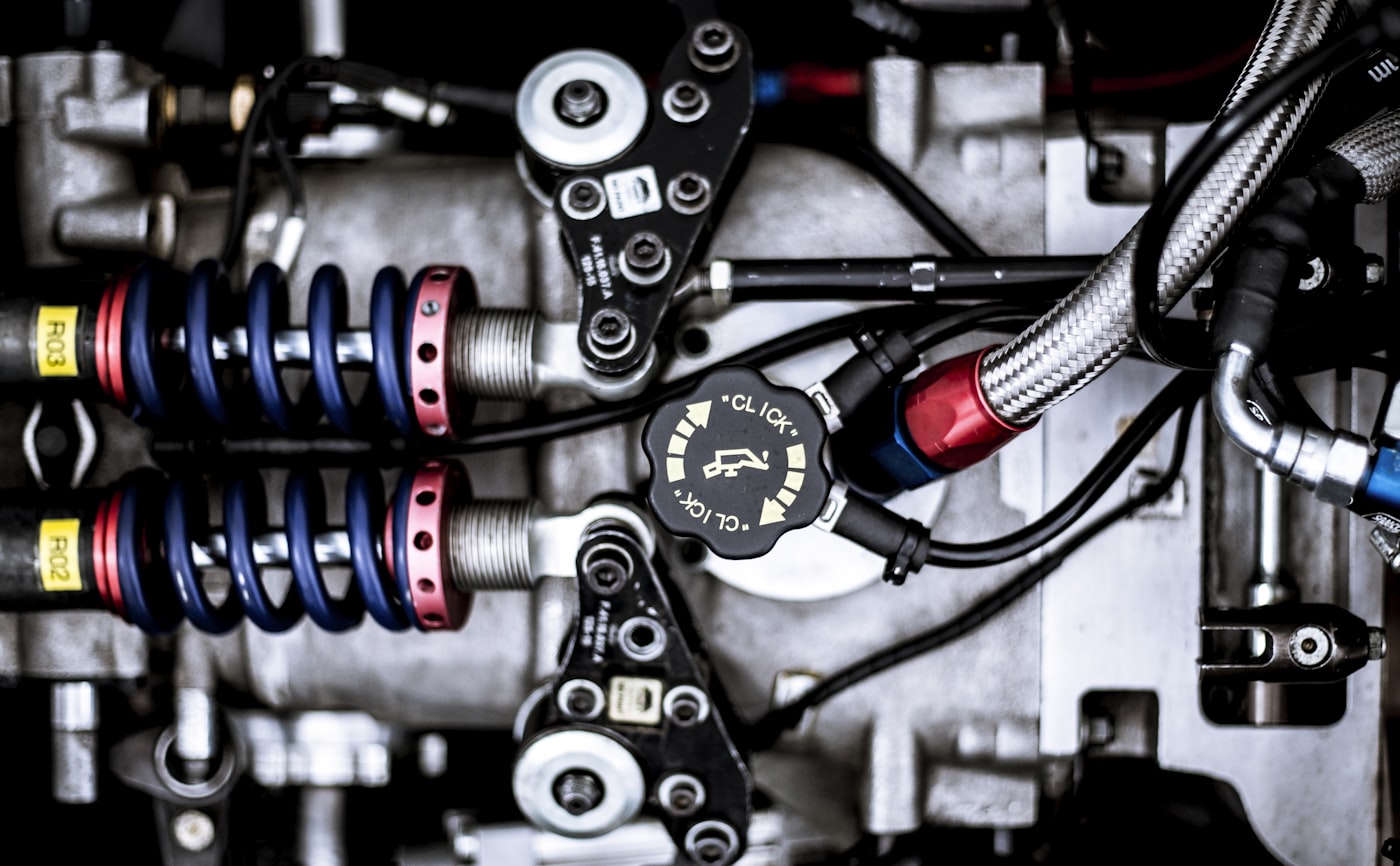
Where Die Casting Wins
- Automotive components (engine blocks, housings, brackets)
- Electronics enclosures and heat sinks
- Architectural and door hardware
- Lighting fixture bodies
- Industrial equipment housings
When NOT to Use Die Casting
- Low-volume production (tooling costs don't amortize)
- Parts requiring heat treatment or welding (porosity issues)
- Very large parts (limited by machine clamping force)
- Alloys outside the aluminum/zinc/magnesium/copper family
Evaluating Die Casting for a Project?
Our engineering team can assess your part design for die casting feasibility in 24 hours. Upload your files →