Laser Welding: What US Engineers Need to Know Before Specifying It
February 12, 2026 · 6 min read
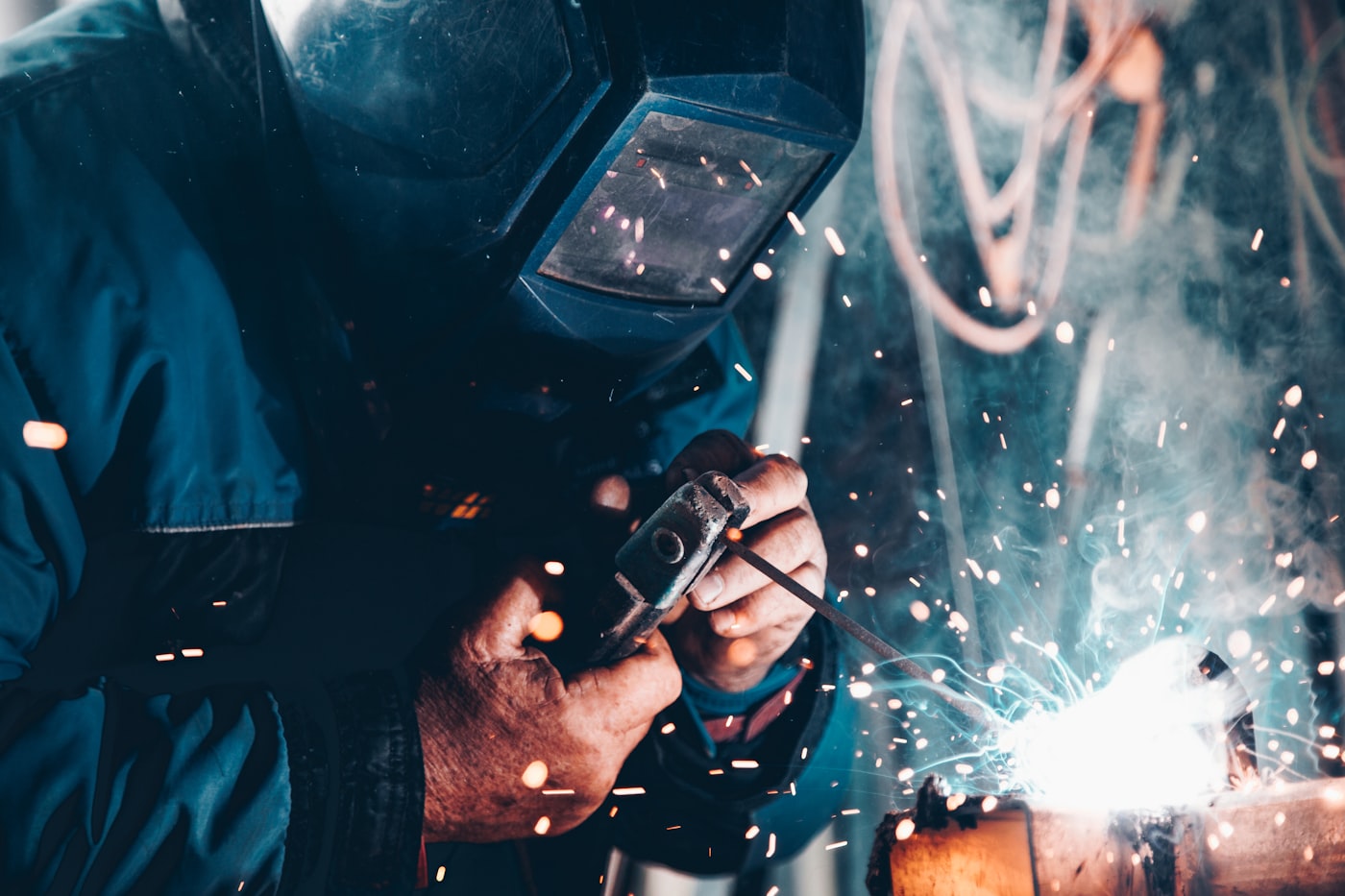
Laser welding has moved well beyond its aerospace origins. Today it's a production-ready joining process used across automotive, electronics, medical devices, and consumer products. If you're designing parts that require high-precision, low-distortion joints — especially at volume — laser welding is worth considering.
How It Works
A focused laser beam (typically fiber, Nd:YAG, or CO₂) delivers concentrated energy to a joint, melting a narrow zone of material that solidifies into a strong metallurgical bond. Two primary modes:
- Conduction mode: Lower power density, smooth surface welds. Ideal for thin materials and cosmetic joints.
- Keyhole mode: Higher power vaporizes material to create deep, narrow penetration (10:1 depth-to-width ratios). Used for structural joints needing full penetration.
Why Choose Laser Over TIG or MIG?
- Minimal heat-affected zone: Less thermal distortion means tighter tolerances on finished assemblies.
- Speed: Significantly faster than arc welding on thin-to-medium gauge materials.
- No filler metal needed: Autogenous welding eliminates consumable costs for many joint types.
- Automation-ready: Integrates with robotic arms and CNC systems for lights-out production.
- Precision: ±0.05 mm beam positioning ensures consistent quality across production runs.
Design Tips for Laser Welding
- Tight fit-up is non-negotiable: Gap tolerances under 0.1 mm are typical. Design self-locating features and proper clamping surfaces.
- Choose the right material: Low-carbon and stainless steels are excellent. Aluminum works but needs more power due to reflectivity. High-carbon steels may require pre/post-heat to avoid cracking.
- Ensure beam access: The laser needs line-of-sight. Avoid geometries that block beam delivery or shielding gas flow.
- Plan for shielding gas: Argon or nitrogen prevents oxidation. Factor gas delivery into fixture design.
- Specify weld testing: Cross-section metallography, tensile testing, or leak testing depending on application criticality.
Common Applications
- EV battery module enclosures and tab welding
- Automotive transmission and powertrain components
- Medical device assemblies (surgical tools, implants)
- Hermetic sealing of sensor and electronics packages
- Stainless steel consumer product housings
Sourcing Laser-Welded Parts from Vietnam
Vietnam's manufacturing base now includes advanced laser welding capability, driven by Japanese and Korean automotive investment. Factories serving tier-1 automotive suppliers operate robotic fiber laser cells capable of complex 3D weld paths and micro-welding for electronics.
Dewin sources laser-welded components from certified facilities and manages the full process — from DFM review through final inspection. You get Vietnam pricing with on-site quality oversight.
Need Laser-Welded Parts?
Dewin connects you with certified laser welding facilities in Vietnam. Get a quote →