CNC Machining Tolerances: The Engineer's Sourcing Guide
February 14, 2026 · 14 min read
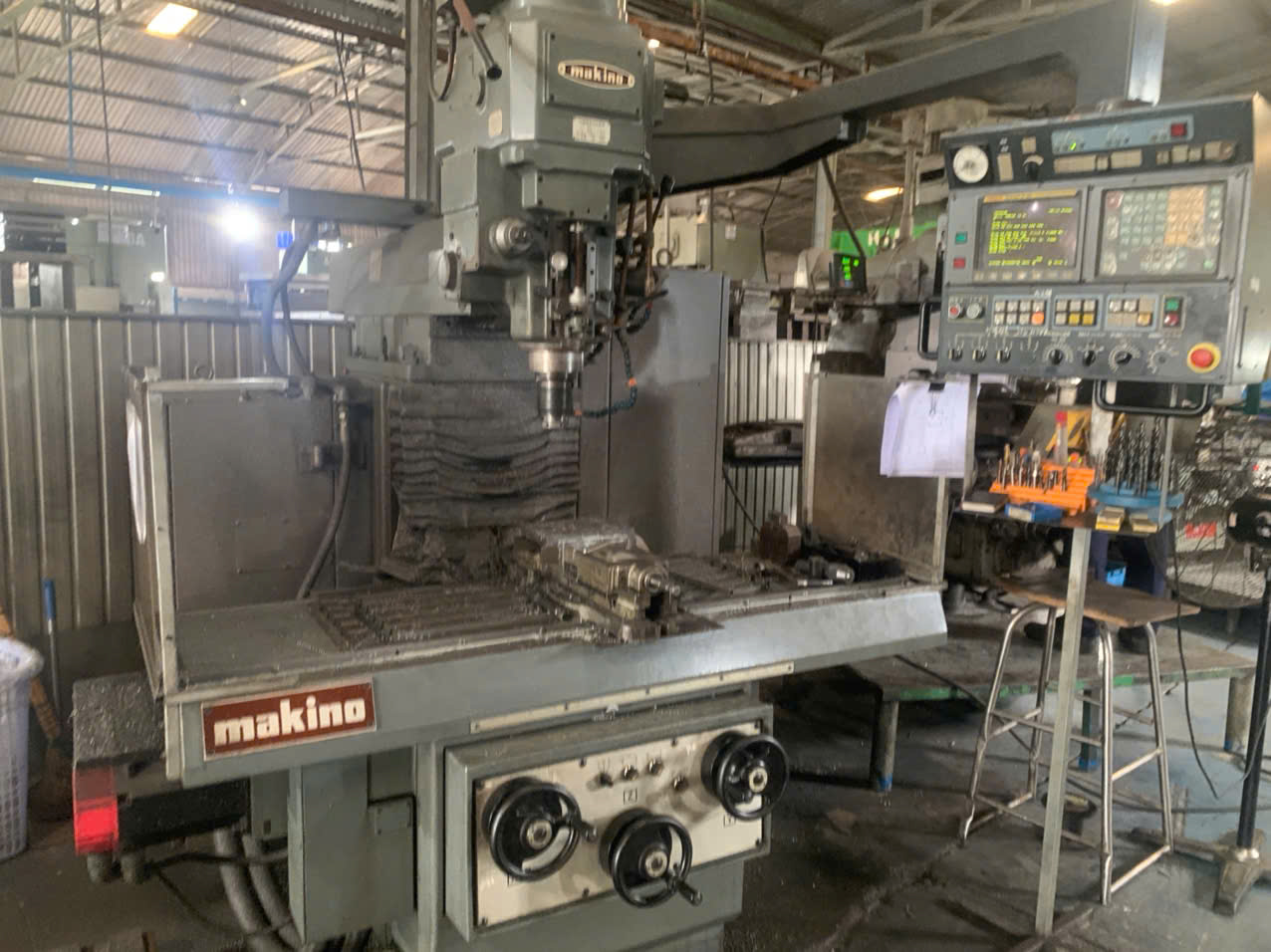
"Can they hold ±0.01mm?" Every engineer asks this when evaluating offshore CNC suppliers. The answer depends on the process, material, feature geometry, and whether you've specified your drawing correctly. This guide gives you the real numbers — what's achievable, what it costs, and how to write specs that prevent misinterpretation across 8,000 miles.
Achievable Tolerances by Process
| Process | Standard | Precision | Ra (μm) |
|---|---|---|---|
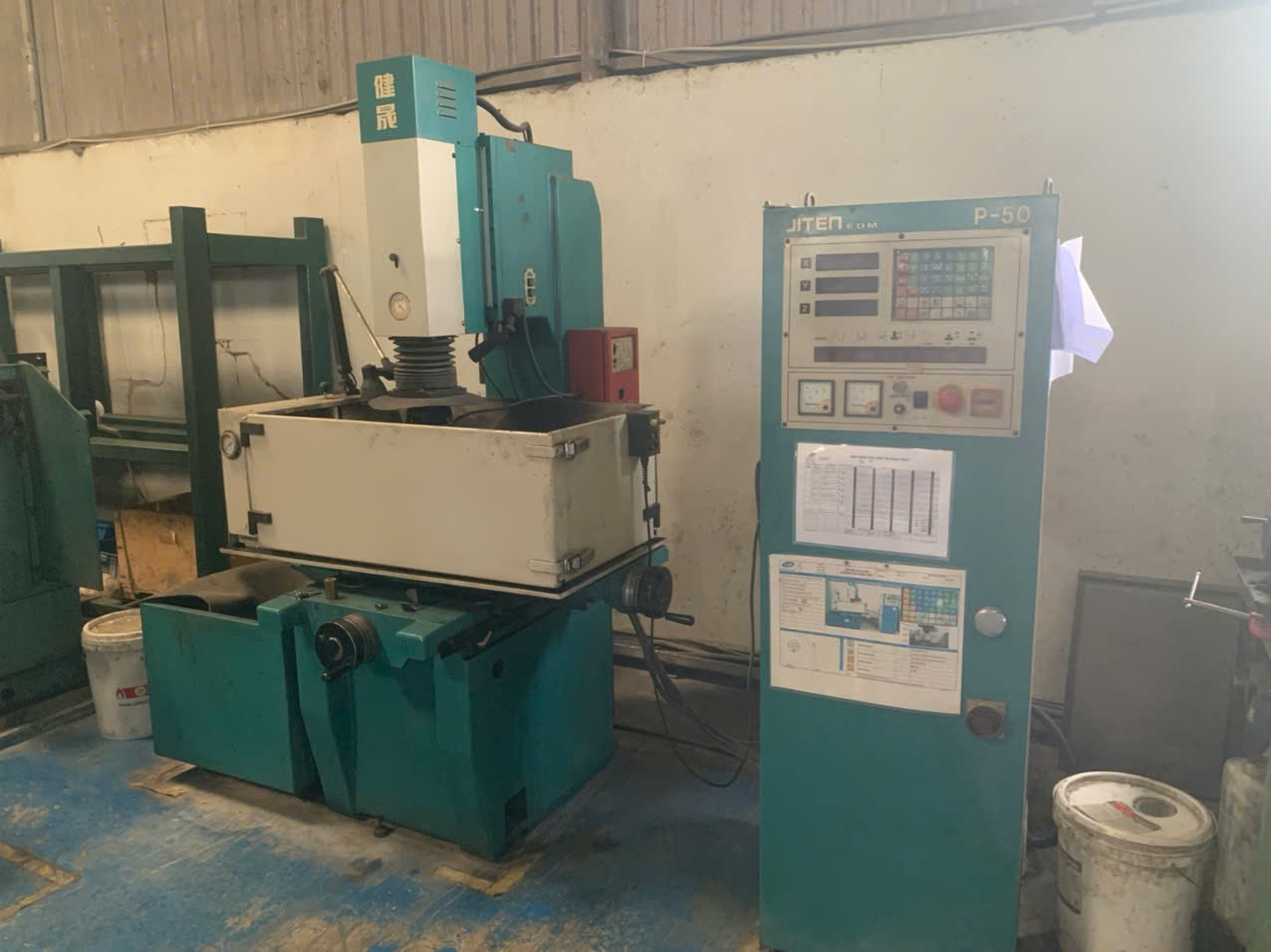
| 3-Axis Milling | ±0.05mm | ±0.01mm | 1.6–3.2 |
| 5-Axis Milling | ±0.025mm | ±0.005mm | 0.8–1.6 |
| CNC Turning | ±0.025mm | ±0.005mm | 0.8–1.6 |
| Swiss-Type Turning | ±0.01mm | ±0.003mm | 0.4–0.8 |
| Wire EDM | ±0.01mm | ±0.002mm | 0.2–0.8 |
| Cylindrical Grinding | ±0.005mm | ±0.001mm | 0.1–0.4 |
Material Deep Dives
Aluminum 6061-T6
The most-machined alloy worldwide. Machinability: 90% of free-cutting brass. Offshore shops routinely hold ±0.01mm on milled features. Watch for:
- Thermal expansion: 23.6 μm/m·°C — 0.024mm per 100mm for every 10°C swing. Specify inspection at 20°C ±2°C (ISO 1).
- Stress warpage: T6 temper residual stress warps thin walls (<2mm). Request stress relief before final machining for flatness <0.05mm/200mm.
- Anodizing growth: Type II adds 0.02–0.025mm/surface; Type III hard coat 0.025–0.05mm. Factor into tolerance stack.
- Cost: Offshore machine time: $15–$40/hr (vs. $75–$150 domestic). Simple AL6061 bracket: $3–$8/pc at 500 qty offshore, $15–$30 domestic.
Stainless Steel 304 / 316L
Work hardening is the enemy. SS304 creates a hardened surface layer if you dwell or rub — subsequent passes then cut through hardened material, destroying tools and accuracy. Qualified shops use:
- Climb milling, constant chip load (0.05–0.10mm/tooth finishing)
- TiAlN-coated carbide, cutting speed 80–120 m/min
- Flood coolant (not mist) — critical for thermal stability on long runs
- Achievable: ±0.015mm (3-axis), ±0.008mm (5-axis) for features <100mm
- 316L: 10–15% harder to cut. Budget 20% more cycle time. Required for marine, medical (ASTM F138), food contact.
Brass C360
The machinability benchmark (100%). Swiss-type shops produce connectors, valve bodies, and fittings at ±0.005mm, Ra 0.4μm. Electrical conductivity: 26% IACS. At 10K+ volumes: $0.50–$3.00/pc for small turned parts offshore.
Titanium Ti-6Al-4V (Grade 5)
Low cutting speed (30–60 m/min), sharp positive-rake tools, aggressive coolant. Tolerances: ±0.02mm standard, ±0.01mm precision. 2–3× aluminum cycle time. Springback during clamping is the hidden risk — multi-point soft-jaw fixturing is essential. Growing capability in Southeast Asia's aerospace sector.
How to Write Specs That Work Across Borders
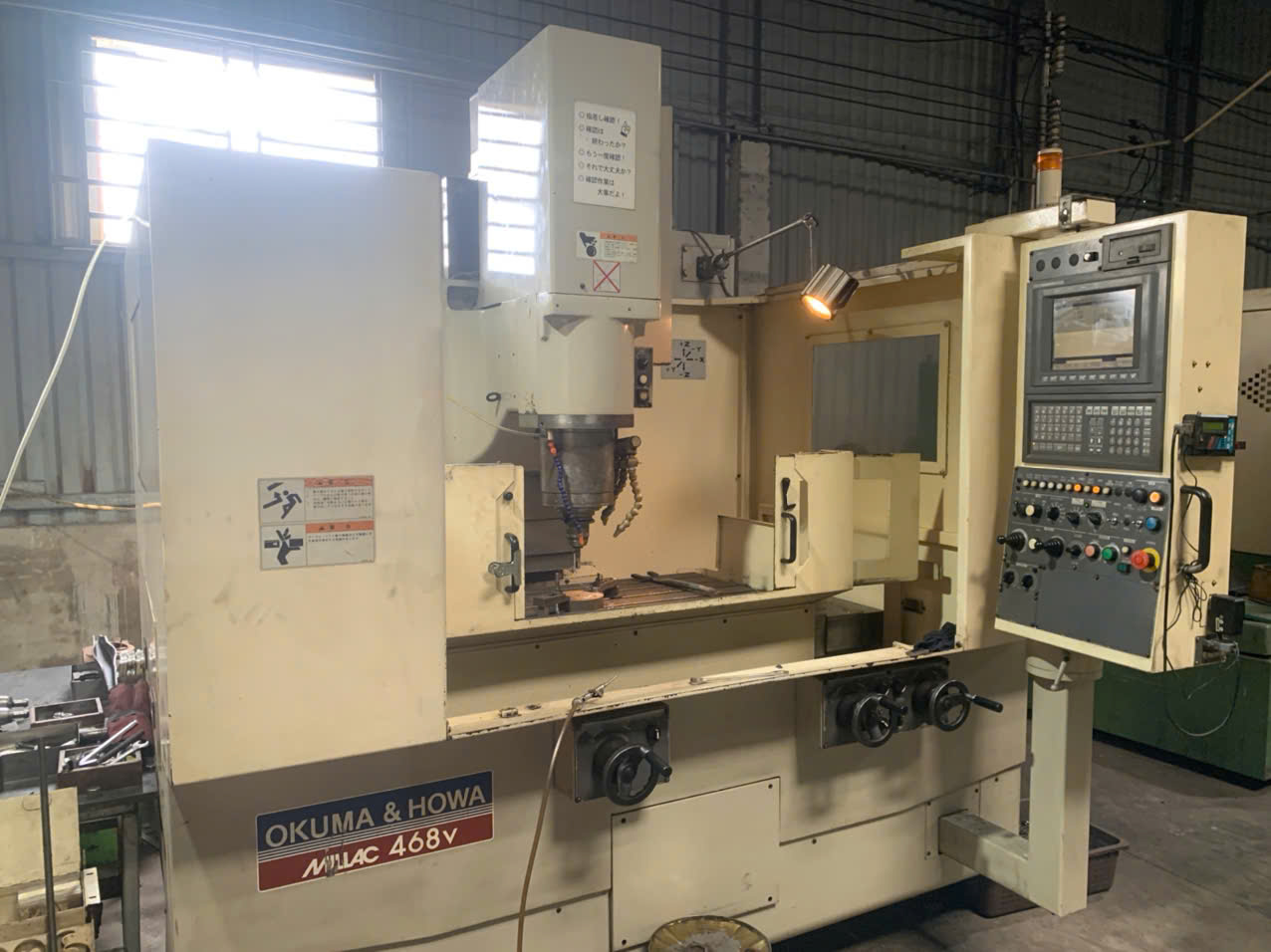
Poorly specified drawings cause 80% of offshore quality issues. These rules prevent the most common problems:
- Use GD&T (ASME Y14.5): Asian shops trained on Japanese/Korean standards read GD&T fluently. Position tolerance on a 6-hole bolt circle (⌀50mm ±0.05mm) is unambiguous; "holes at 30° spacing ±0.1mm" is not.
- Mark CTQ features: Identify critical-to-quality dimensions explicitly. Default non-critical features to ISO 2768-mK (±0.1mm for 6–30mm, ±0.2mm for 30–120mm).
- Surface finish by feature: Don't blanket Ra 0.8μm everywhere — it triples cycle time. Call out Ra 0.8 on sealing/mating surfaces only; leave cosmetic at Ra 3.2.
- Material callout: "AL6061-T6 per AMS-QQ-A-250/11, mill cert required" — not just "aluminum." Add DFARS/traceability for defense/medical.
- Thread standards: Specify ASME B1.1 (UN) or ISO 261 (metric) with class of fit (2A/2B or 6g/6H). Asian shops default to ISO metric — call out UNC/UNF explicitly.
The Real Cost of Tight Tolerances
Every decimal place roughly doubles cost. Here's a 50mm aluminum bore as a concrete example:
| Tolerance | Process | Relative Cost | Offshore (500 qty) |
|---|---|---|---|
| ±0.1mm | Standard bore | 1× | $0.50/feature |
| ±0.025mm | Fine boring | 2× | $1.00 |
| ±0.01mm | Precision bore + CMM | 4× | $2.00 |
| ±0.005mm | Honing / jig grinding | 8–10× | $4–$5 |
Even at ±0.005mm, offshore pricing runs 60–70% below equivalent US shops. But over-tolerancing non-critical features wastes money everywhere. The rule: tight where function demands it, general tolerance everywhere else.
Inspection & Quality Infrastructure
- CMM: Mitutoyo Crysta-Apex or Hexagon Global (±0.002mm). Request PPAP Level 3 reports for all CTQ dimensions.
- FAI: AS9102 for aerospace; standard: balloon drawing + CMM report on 5 first-run pieces.
- SPC: Top shops run Cpk analysis in production. Require Cpk ≥ 1.33 minimum, ≥ 1.67 for automotive/aero.
- Surface measurement: Mitutoyo SJ-410 profilometer for Ra/Rz verification.
Tariff & Logistics Advantage
CNC machined aluminum and steel parts from Vietnam enter the US at standard MFN duty rates under HTS Chapters 73/76 — with no Section 301 surcharges (Chinese equivalents face 25% additional tariffs). Ocean freight from Ho Chi Minh City to LA: 18–22 days, $0.10–$0.30/kg FCL. Air freight for prototypes: 3–5 days, $4–$8/kg. CPTPP membership provides additional preferential access vs. non-member competitors.
Need Precision CNC Parts?
Dewin matches your specs with qualified CNC shops, from prototype to 100K+ production. ISO 9001 / IATF 16949 certified, CMM-inspected, shipped DDP to your door. Get a quote →