Design for Manufacturability (DFM): What Engineers Get Wrong
February 13, 2026 · 10 min read
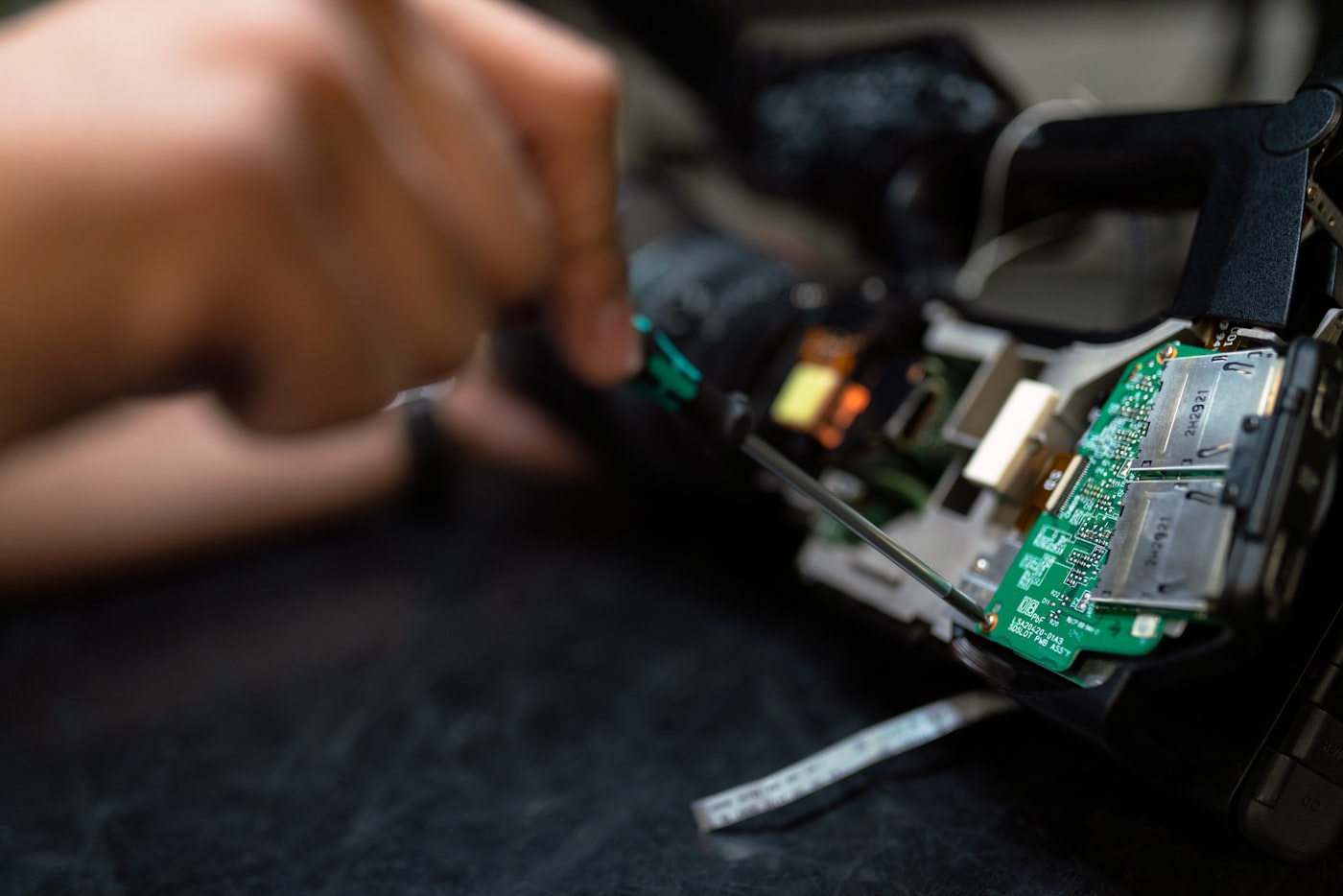
Most manufacturing cost overruns don't originate on the factory floor — they originate in CAD. Industry data consistently shows that 70–80% of a product's production cost is locked in at the design stage. A wall that's too thick, a tolerance that's too tight, or a geometry that requires an extra mold action can inflate unit cost by 20–40% with no functional benefit. Design for Manufacturability (DFM) is the discipline of avoiding those traps.
What DFM Actually Means in Practice
DFM isn't a checklist you run after finalizing a design. It's a mindset that runs parallel to functional engineering from day one. At its core, DFM asks: can this part be produced reliably, at scale, without unnecessary cost? That question applies to every process — injection molding, CNC machining, die casting, sheet metal, powder metallurgy, and additive manufacturing.
Six DFM Principles That Save Real Money
1. Simplify Geometry
Every undercut, side action, or tight internal corner adds tool complexity. Before signing off on a design, audit every feature: does it serve a functional or critical aesthetic purpose? If neither, simplify it. Removing a single side action from an injection mold can save $5,000–$15,000 in tooling cost alone.
2. Maintain Uniform Wall Thickness
Non-uniform walls are the root cause of sink marks, warping, and internal voids in molded and cast parts. For injection molding, target 1.5–3.5 mm for most thermoplastics. Where thickness transitions are unavoidable, use a 3:1 taper ratio minimum. For die casting, 1.5–4 mm is typical depending on alloy.
3. Include Draft Angles
Any part that comes out of a mold or die needs draft on vertical walls. Standard minimums: 1° per side for smooth plastic surfaces, 2–3° for textured surfaces, 1–3° for die-cast parts depending on depth. No draft = stuck parts, scuffed surfaces, and premature tool wear.
4. Tolerance Only What Matters
Over-tolerancing is the most common and most expensive DFM mistake. A ±0.1 mm dimension might cost $0.50/part to hold. Tighten it to ±0.02 mm and you're looking at grinding or EDM — at $2–5/part. Identify critical fits and interfaces, tolerance those tightly, and leave cosmetic or non-functional dimensions at standard.
5. Design for Assembly (DFA)
DFM and DFA are two sides of the same coin. Every part you eliminate from an assembly is a part you don't have to manufacture, inspect, stock, or install. Snap fits replace fasteners. Self-locating features eliminate jigs. Symmetrical parts reduce orientation errors. Fewer parts = lower cost at every stage.
6. Choose Materials Deliberately
Material selection should be a design decision, not a default. A part spec'd in 316 stainless may work perfectly in 304 at 20% less cost. An aluminum component might be replaceable with PA66-GF30 at half the weight and cost. Engage your manufacturer early — they know what processes and runs best on their equipment.
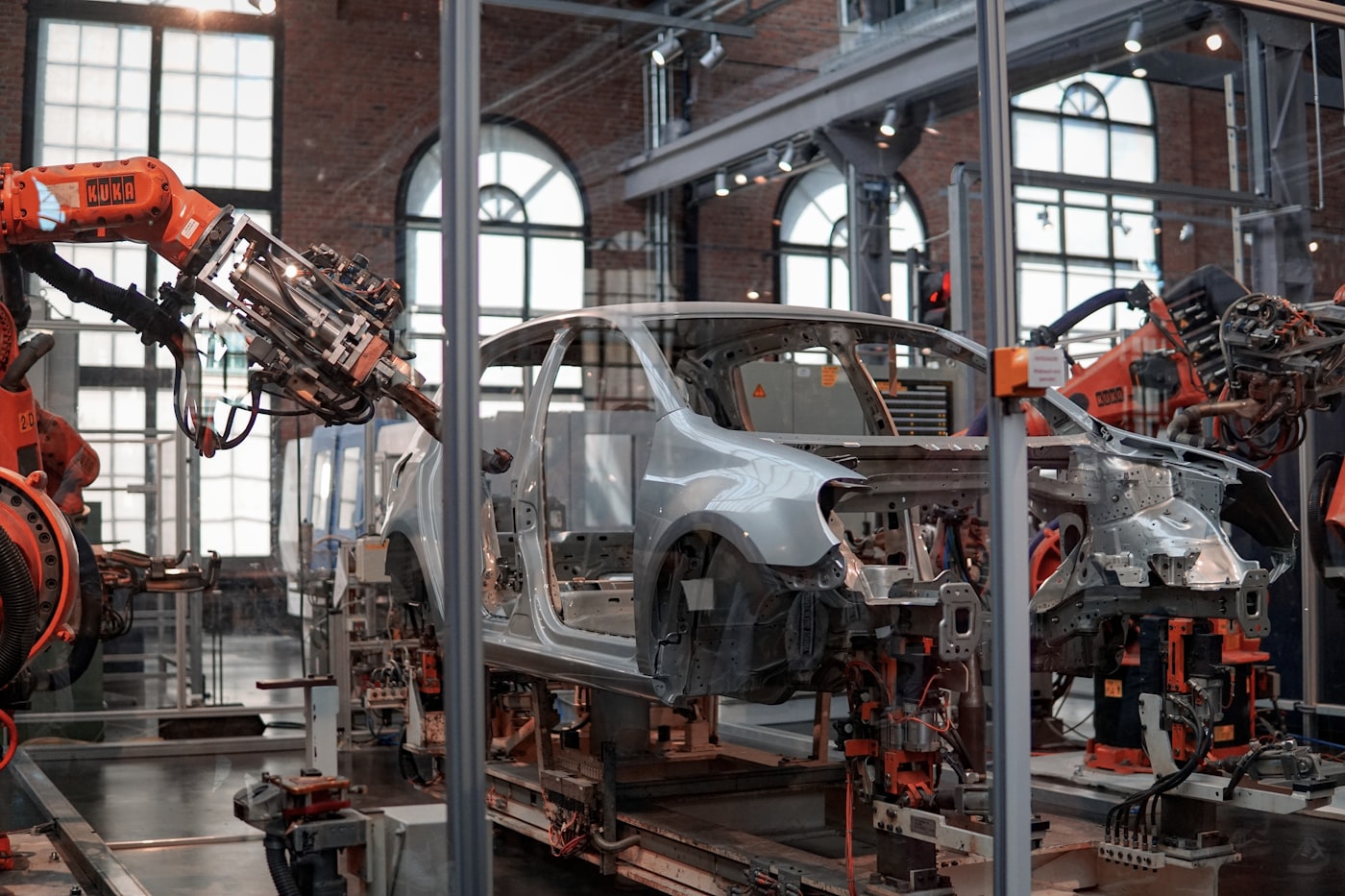
DFM Quick Reference by Process
| Process | Top DFM Priorities |
|---|---|
| Injection Molding | Uniform walls, draft, gate location, sink/weld line control |
| Die Casting | Draft, parting line, porosity management, min wall thickness |
| CNC Machining | Tool access, internal radii, depth-to-width ratio, fixturing |
| Sheet Metal | Bend radii, hole-to-bend spacing, nesting, grain direction |
| Powder Metallurgy | Compaction direction, density uniformity, sintering shrinkage |
The Cost of Skipping DFM
We see it all the time: a buyer sends production-ready drawings to a manufacturer, tooling gets built, first articles come back with defects or unexpected costs, and the project goes into a redesign loop that adds 6–12 weeks and $10,000–$50,000 to the timeline. A proper DFM review before tooling catches 80–90% of these issues when they cost minutes to fix instead of months.
How Dewin Handles DFM
Every project that comes through Dewin gets a DFM review before quoting tooling. Our engineering team — based in Vietnam with direct factory access — analyzes your design for manufacturability issues, proposes modifications, and quantifies the cost impact of each change. You get a clear report showing what to change, why, and how much it saves.
It's not a software-generated checklist. An experienced manufacturing engineer reviews your part against the specific capabilities of the production line that will make it.
Get a free DFM review
Send your 3D models or drawings to our team and we'll identify cost-saving opportunities before production begins.